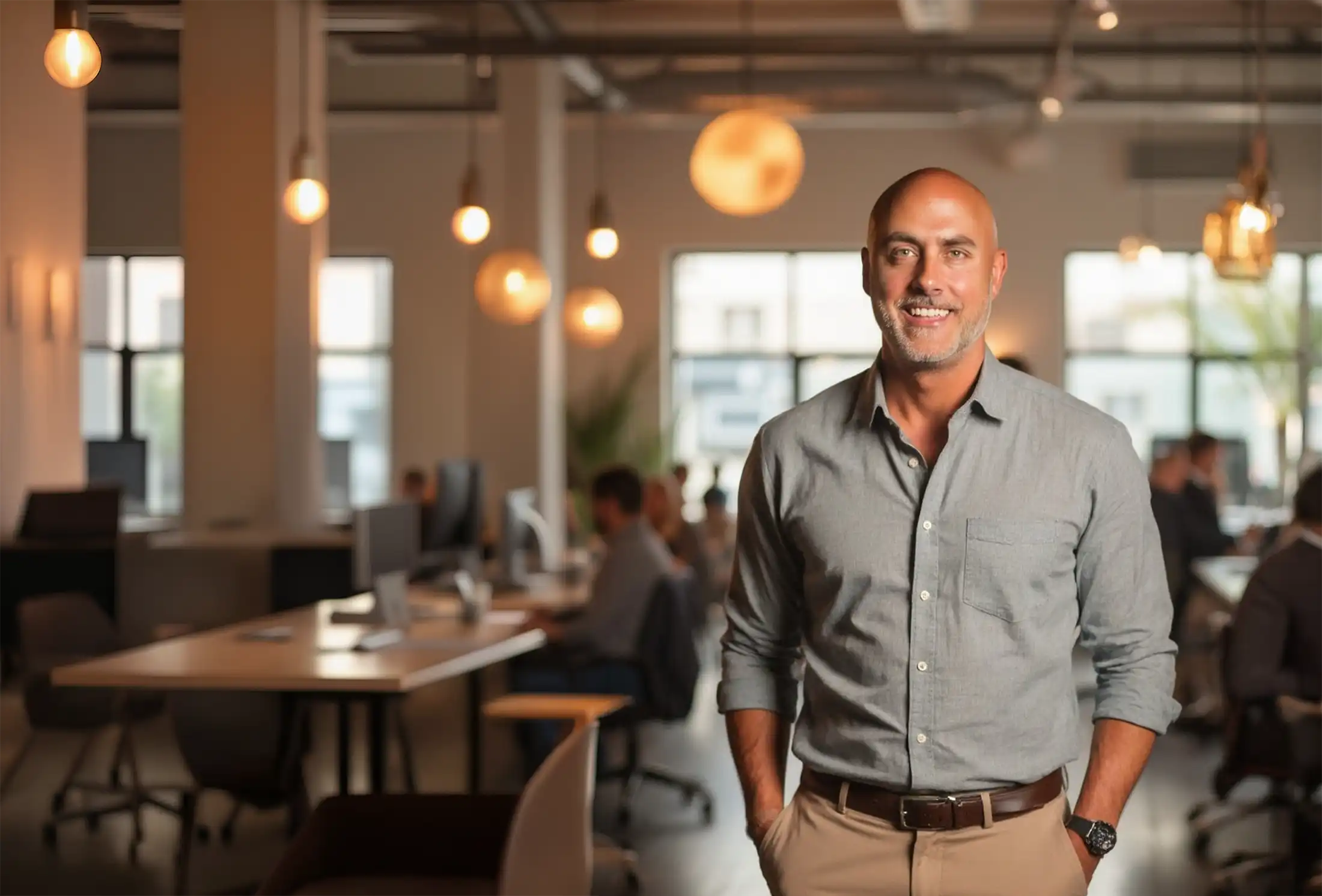
I was born into building.
My dad was a carpenter and built things with his bare hands, and I grew up helping him do it, so naturally I became a builder too.
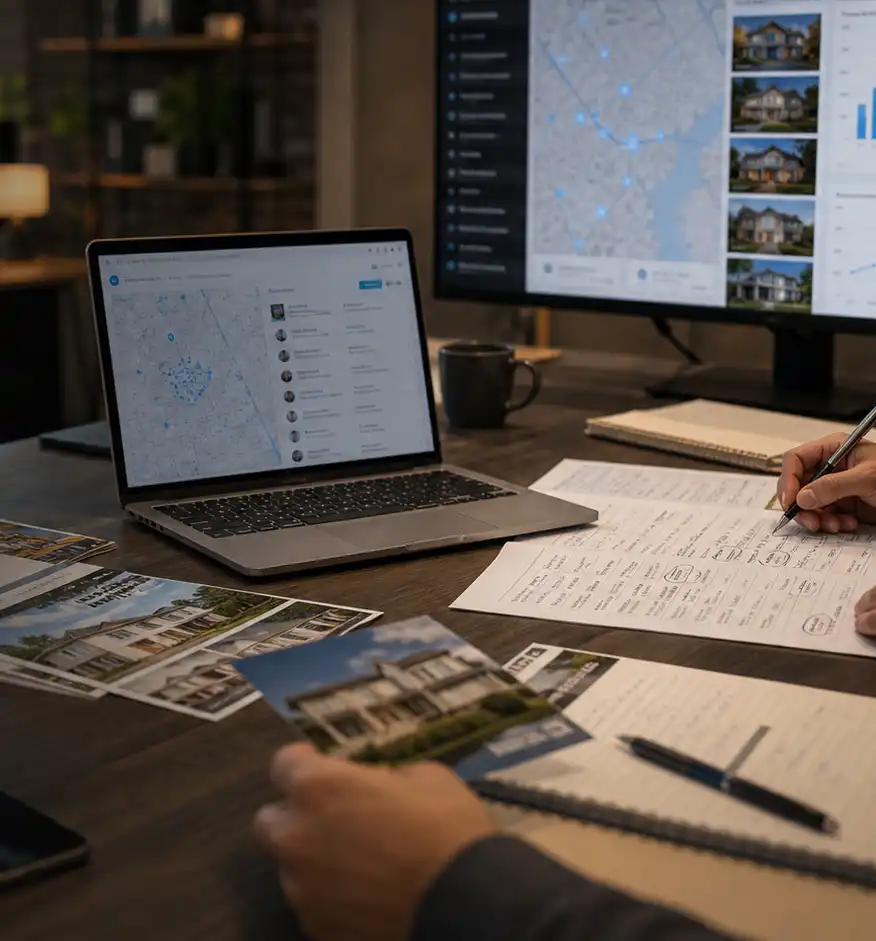
But I didn't create physical structures, I created businesses, systems, programs, and software. One of those companies made the INC 500.
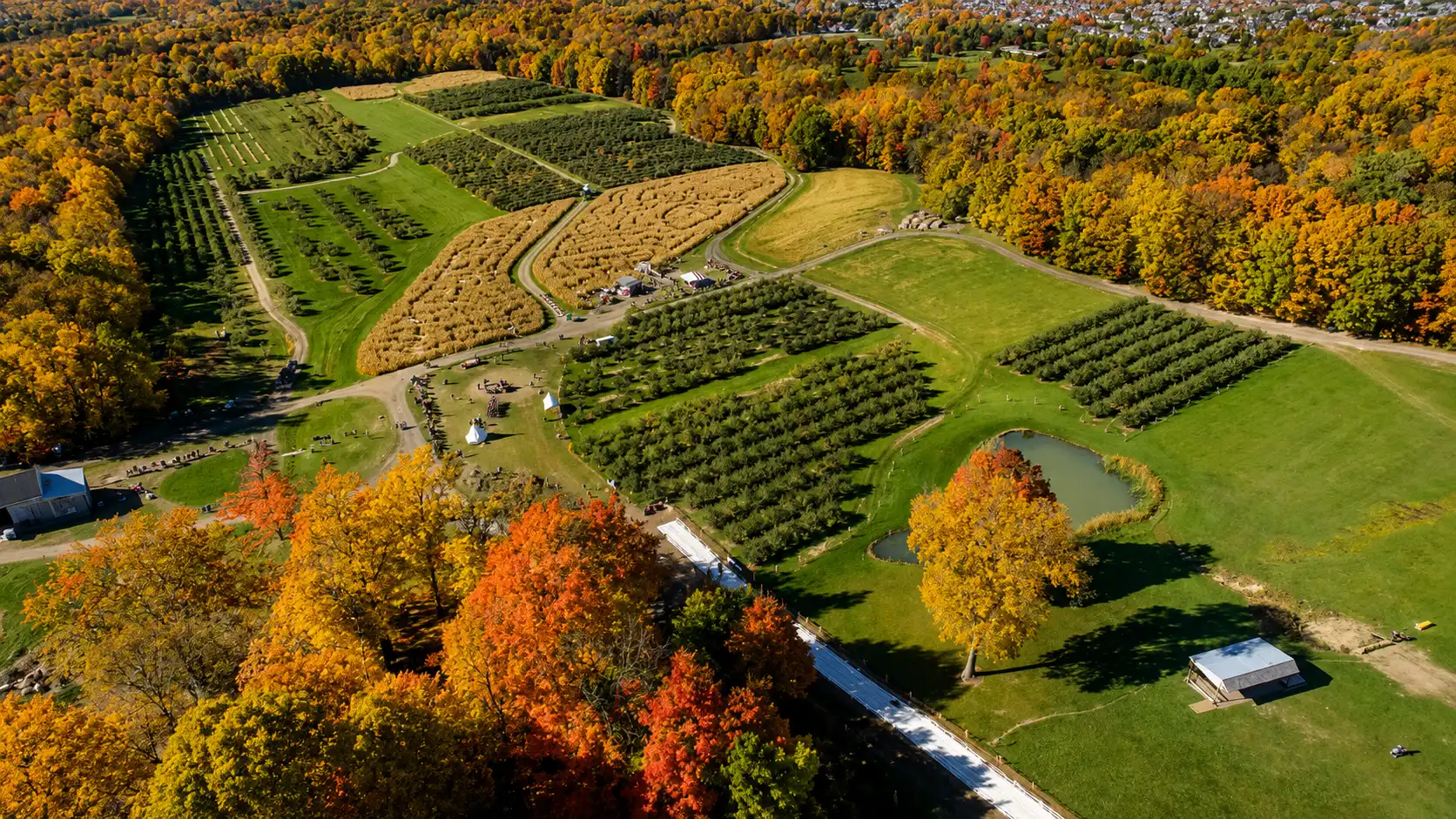
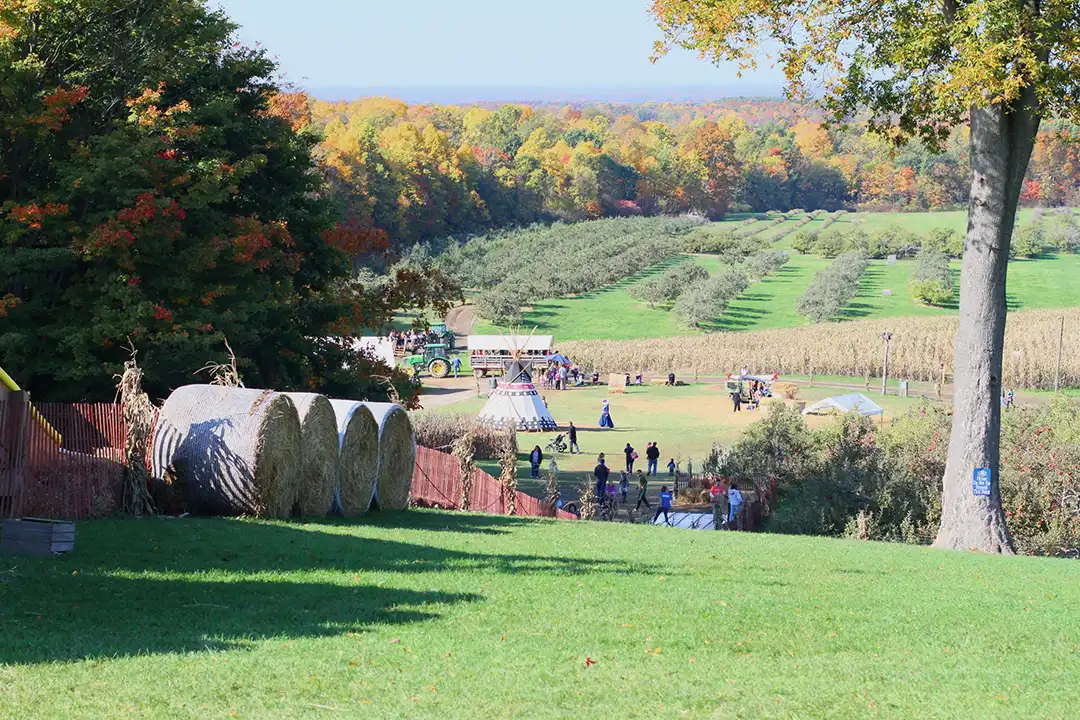
Then in 2010, my wife Kelly and I bought a 200-year-old apple farm that was headed for foreclosure, the kind of land every real estate expert said should be bulldozed and developed. The plan on the table was 230 houses.
But we both grew up walking those hills, and we couldn't watch this farm die, so we made a spontaneous decision to save it. There were no projections, no exit strategy, just a feeling that this place was calling for a new beginning.
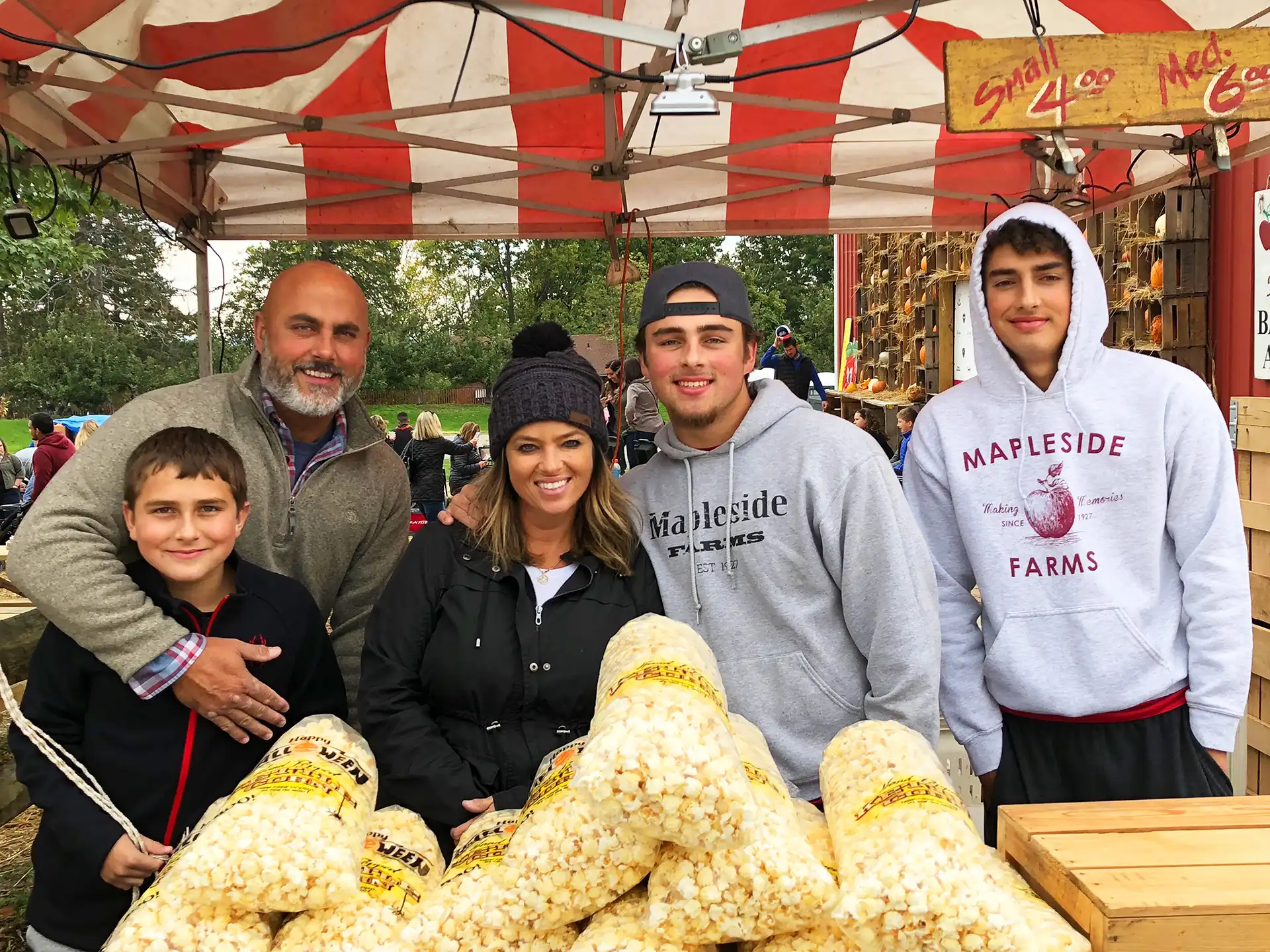
A year later, Mapleside was voted America's Most Beautiful Farm, and over the next decade, that farm quietly rebuilt me. It taught me that there are two ways to create. You can build things, and you can grow things. And almost everything that makes a life worth living includes a little bit of both.
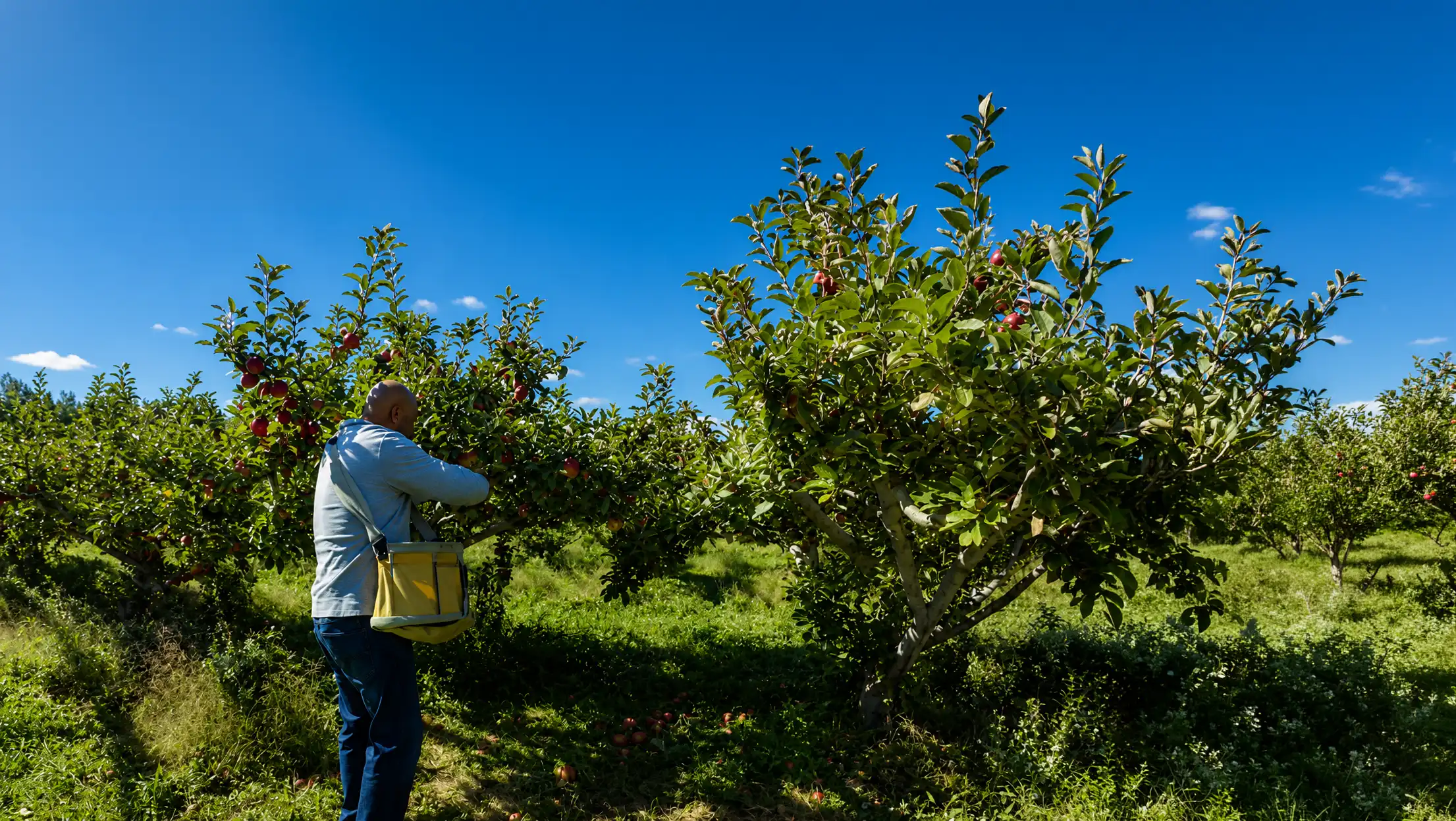
Today I spend my time building companies in the mornings and tending to the orchard in the afternoons. One world runs on formulas and effort. The other runs on rhythms and reasons.
Back in 2012, I started seeing a pattern in the people around me: the most successful ones were often, deep down, the least free. They had money and no time, businesses and no health, networks and no real relationships. They didn't need more success, they needed freedom, not freedom in everything, just in everything that matters.
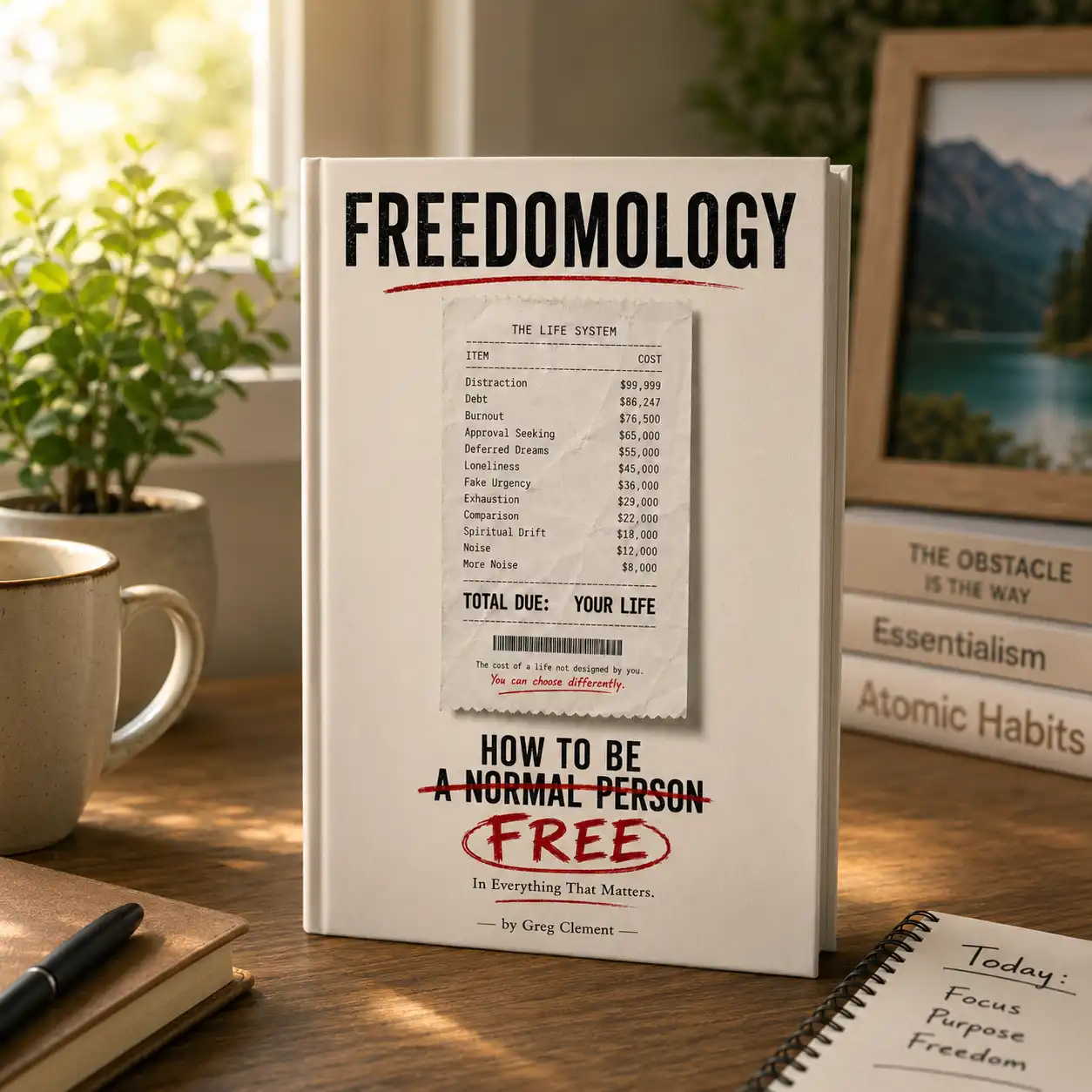
So I bought a domain name, Freedomology.com, thinking it might be a book someday, and I spent the next ten years teaching other people what it stood for: how to have both time and money, physical and mental health, and incredible relationships including God and self.
In 2022 we started Freedomology, a company helping people create a life they actually want to live.