The Farm I Was Supposed to Bulldoze
I built companies for a living. Then I bought a dying farm that taught me the one thing building never could — that the life I actually wanted couldn't be built, only grown.
There are two worlds
There are two worlds, and I've spent my life learning both.
One world you build. You engineer it, you scale it, you force it, and it pays you back in proportion to your effort. Software. Companies. The strength in your body. I spent the first half of my life getting very good at that world, and I'm still in it — I write AI agents in the morning before most people are awake.
One world you grow. You prepare the ground, you plant, you tend, and then you take your hands off and wait, because the living thing has its own season and its own will. A marriage. Children. A walk with God. The part of you that was already whole before anyone tried to fix it.
Most people have the two backwards. They pour a builder's force into a marriage, a child, their own sense of worth — things that were only ever going to grow — and then sit and wait on a body and a bank account and a craft they were supposed to go build. I had it backwards for forty years. A farm is what taught me the difference.
It started with an apple
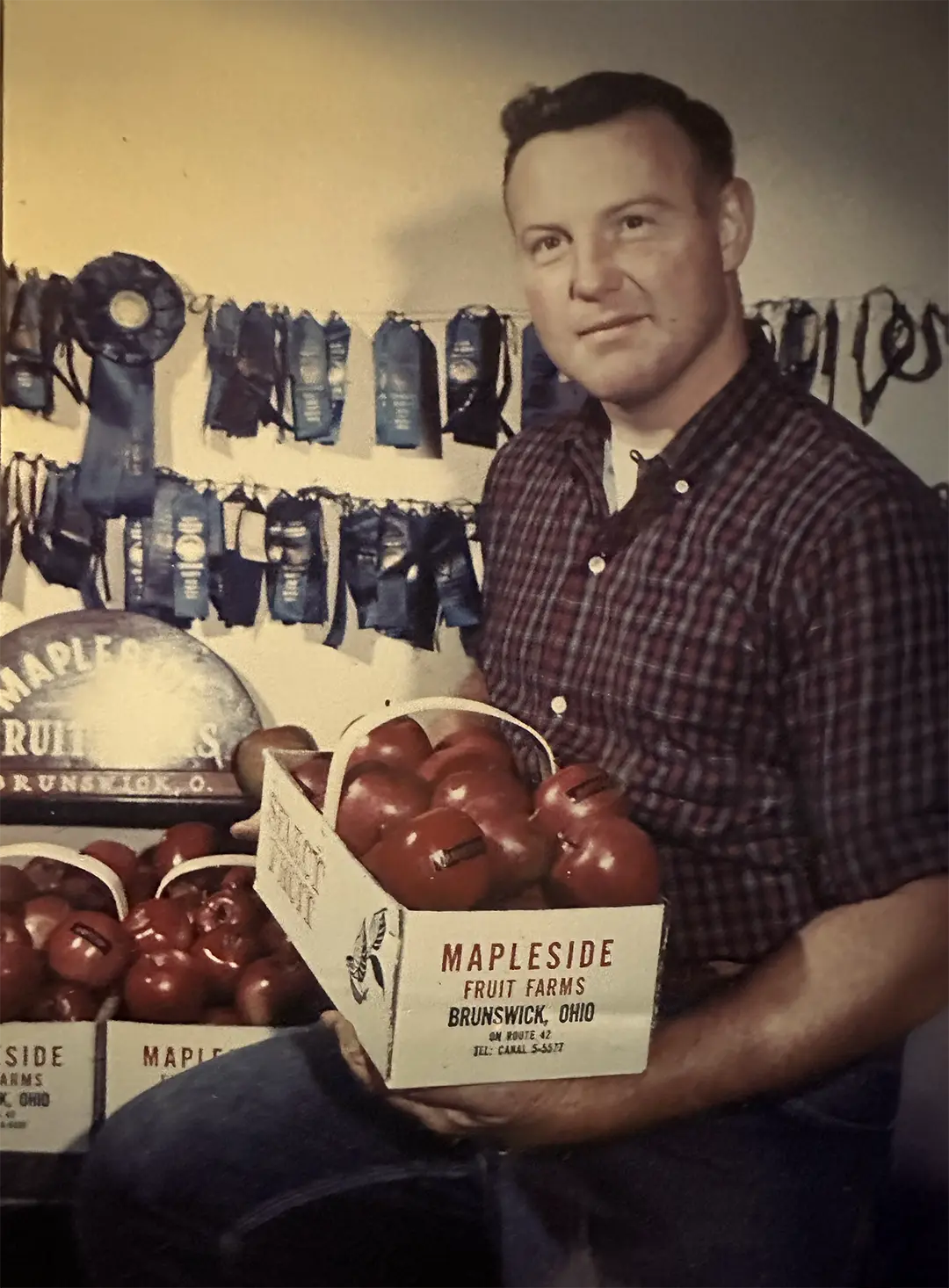
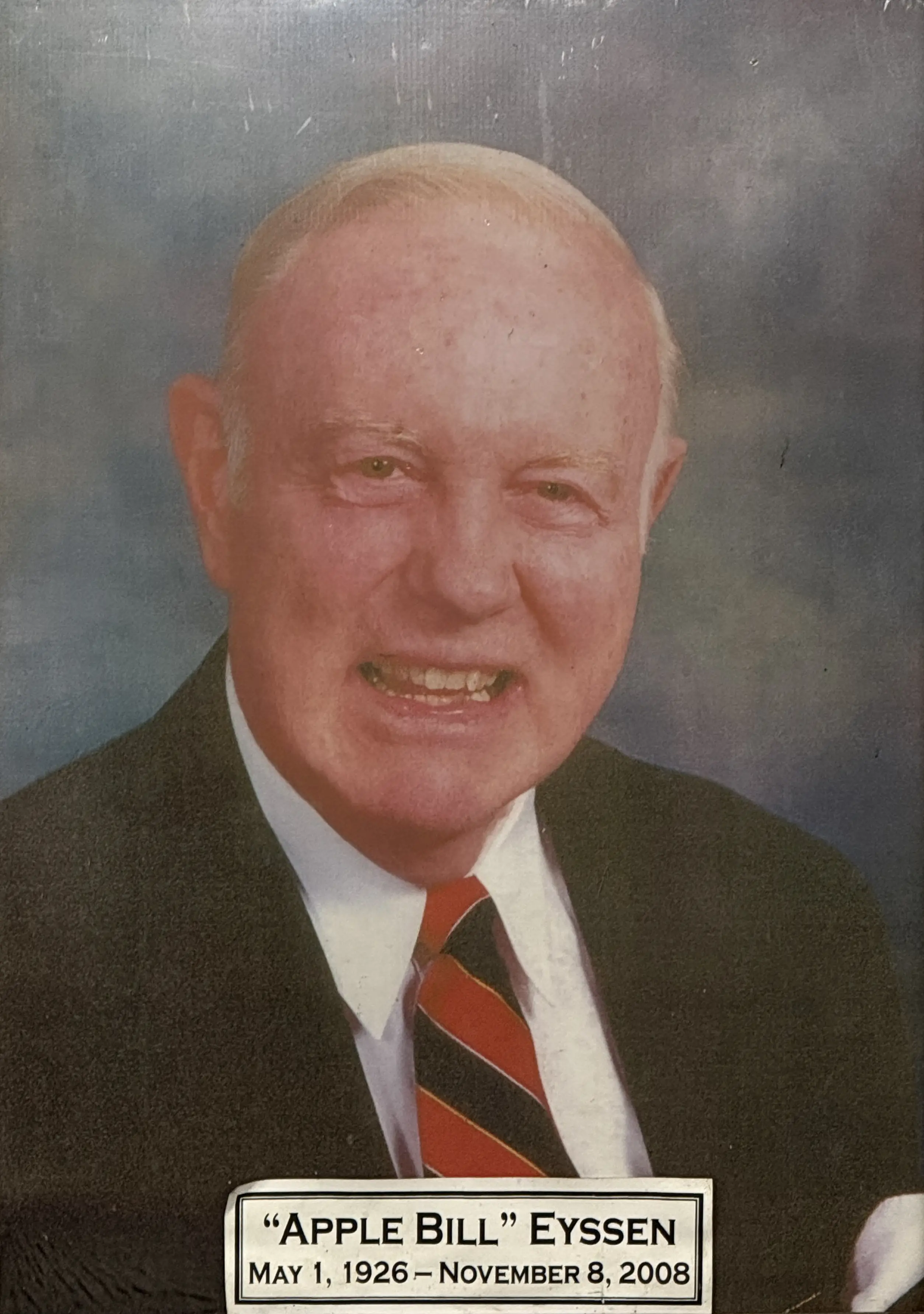
I was five years old at an apple farm in Brunswick, Ohio. A man the family called Apple Bill — one of the Eyssens, the family that had owned Mapleside since 1927 — handed me an apple. I kept coming back my whole childhood. I didn't know it then, but that apple was a seed.
The 230 houses that never got built
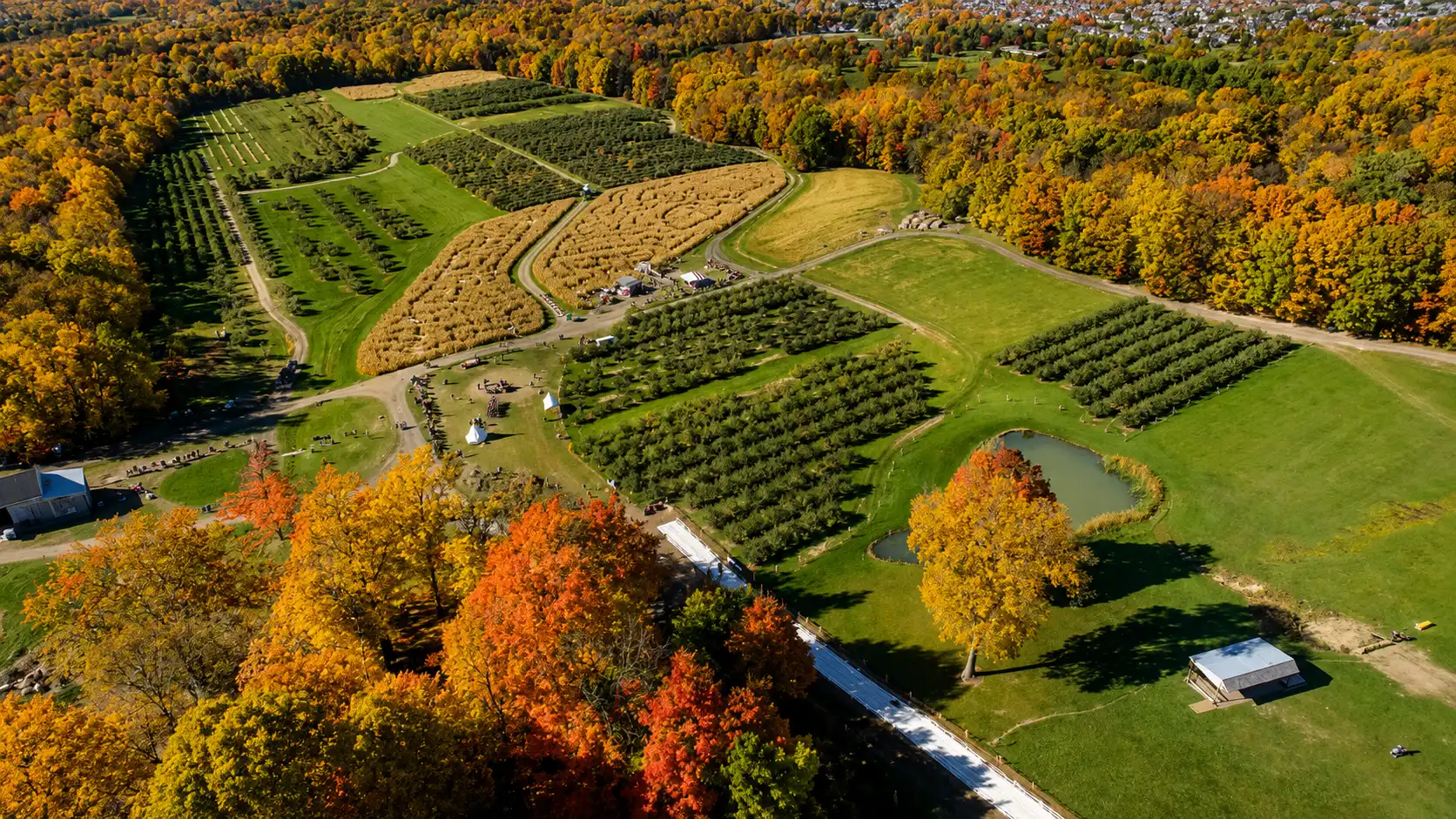
In 2010 the farm fell into foreclosure. A hundred and forty-five acres, in continuous agricultural use since a Revolutionary War veteran cleared the land in 1815, and the plan on the table was to bulldoze it into 230 homes.
I was a real estate and technology guy. I was exactly the person who builds that subdivision — I'd have looked at that land and seen the lots and the return, and for most of my life that's precisely what I would have seen. But Kelly and I had been going to that farm since we were kids. So I bought the whole thing instead. I had no idea what I was getting into, or what it would cost me, or what it would give me. It was the first time I ever refused my own trade.
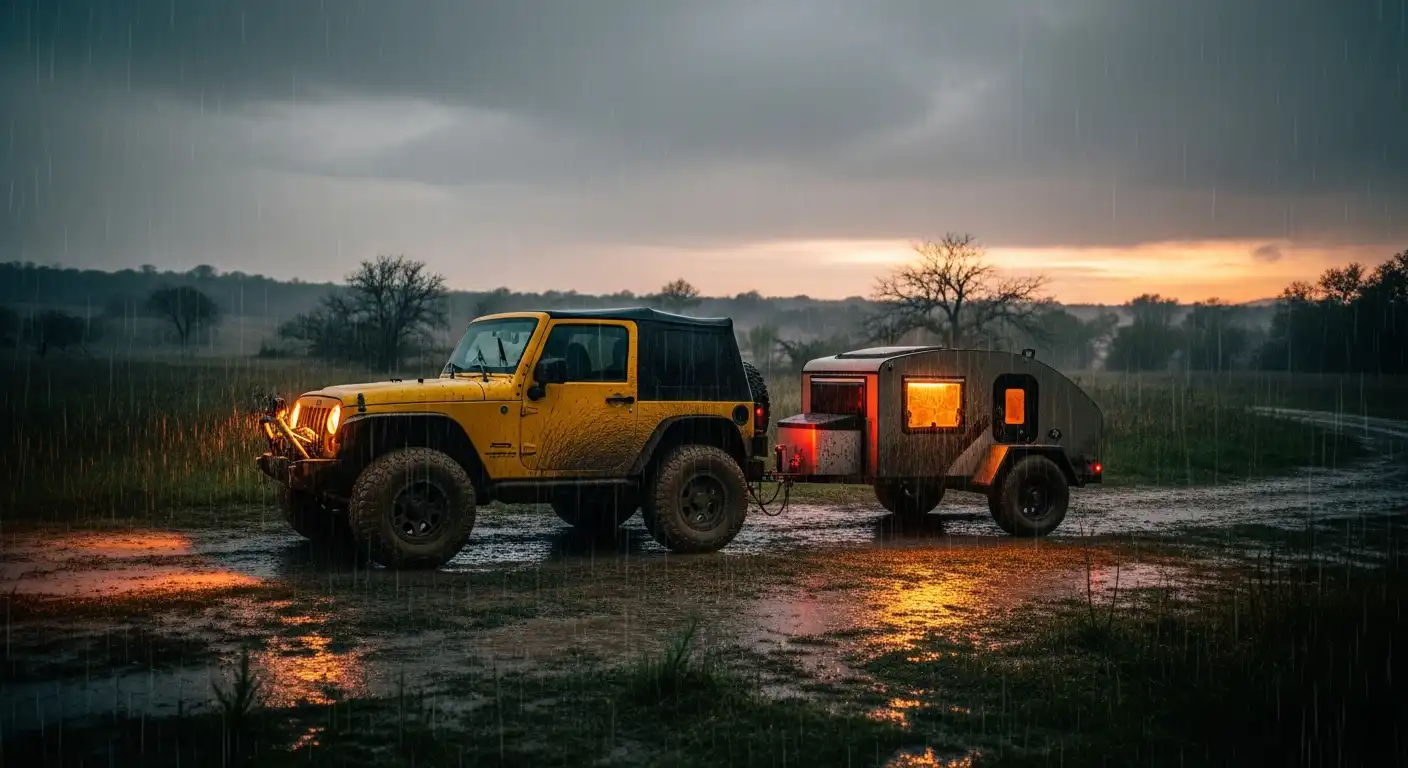
The yellow Jeep in the Rockies
A few years before that, successful and hollow, I rode a motorcycle across the country and nearly quit everything. Somewhere in the Rockies I passed a man pulling a trailer with a hospital bed inside it. His wife was in the bed, dying, and the man had almost nothing — and he was the freest person I had ever seen.
I didn't have words for what I felt that day. The farm gave me the words. Health and wealth and the people you love aren't three separate problems to optimize. They're one condition.
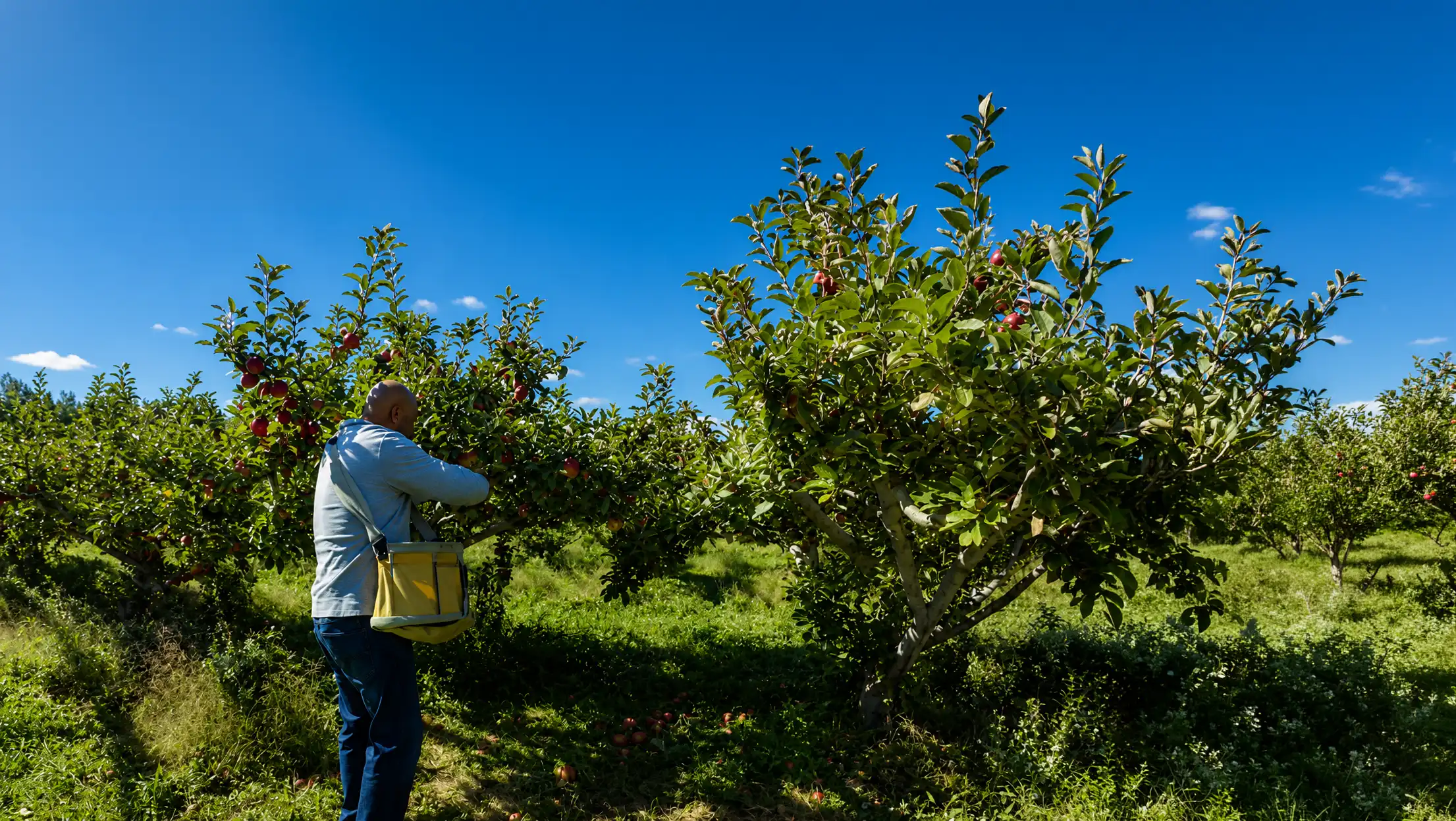
You cannot build an apple tree
I had spent twenty years learning to build. You set the goal, you run the play, you force the result, and if you're good the result comes. And then I bought a thing I could not build.
You cannot build an apple tree. You can put up a barn in a week, and you cannot make a tree bear fruit one day sooner than it intends to, and some years it doesn't bear at all — and that is the tree's business, not yours. It took me a long time to stop being angry about that, and longer to understand it was the most important thing the farm had to teach me.
Build what can be built.
Grow what can only be grown.
Freedom is knowing the difference.
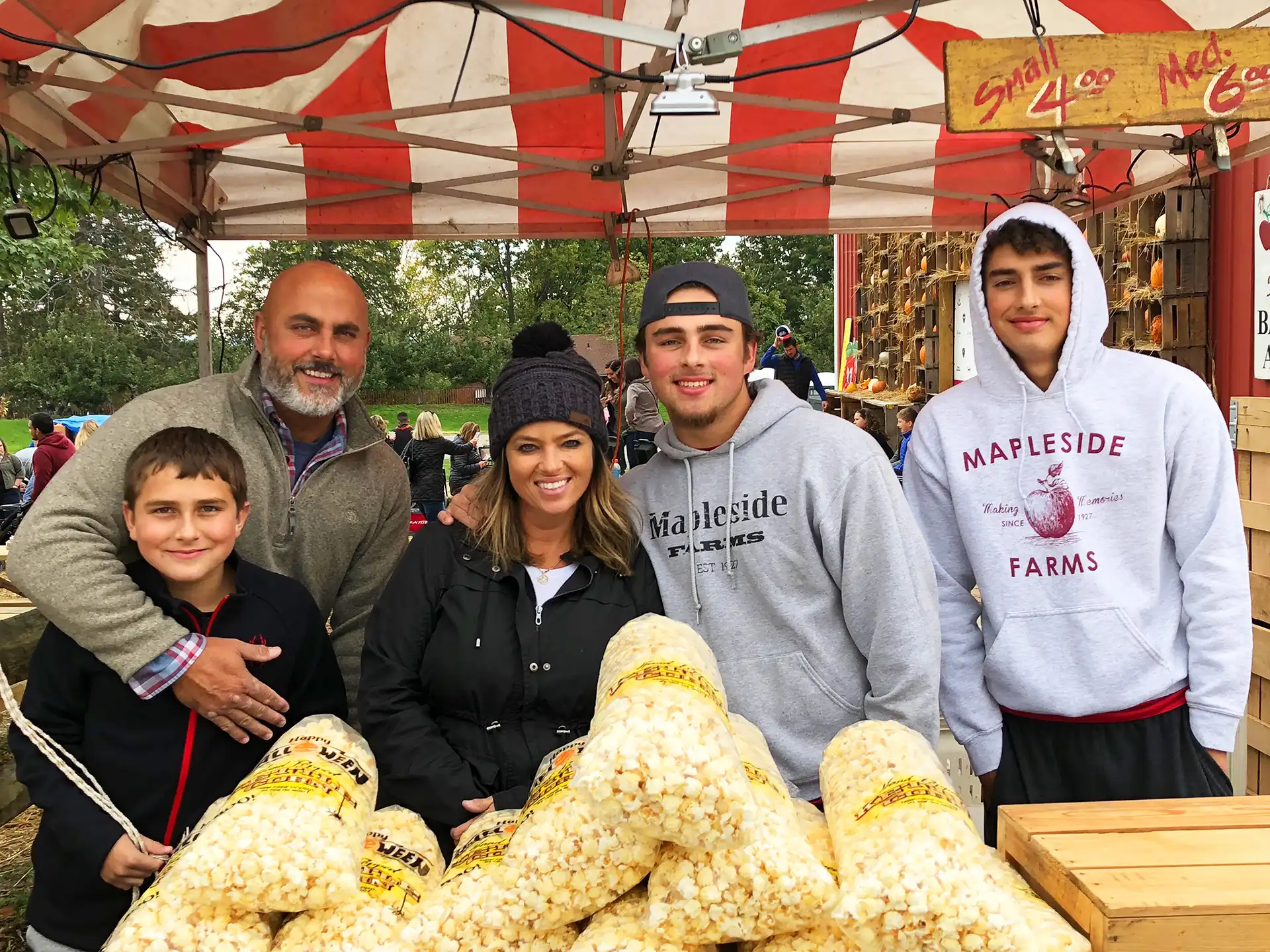
The family on the land
We built a house on that land so Kelly's parents could finally live close to us. They both passed the week they moved in. I won't make a story out of that. I'll only say the land holds it, the way land holds everything that happens on it — and that it's the reason I'll never call this life an aesthetic. You can stage a pretty farm. You cannot fake a grave.
Three sons grew up on ground cleared in 1815. Kelly's sister is on the farm. A whole life now physically happens on one piece of land.
Billy runs it now
The Eyssen family that owned Mapleside for over eighty years still works it. I kept them on, because farming is a real craft you don't replace with a spreadsheet. Today a twenty-nine-year-old Eyssen named Billy manages the farm I saved.
The apple I was handed at five came from an Eyssen. The future of the orchard is an Eyssen. That's a true ending paying off a true beginning, on the same ground, right now.
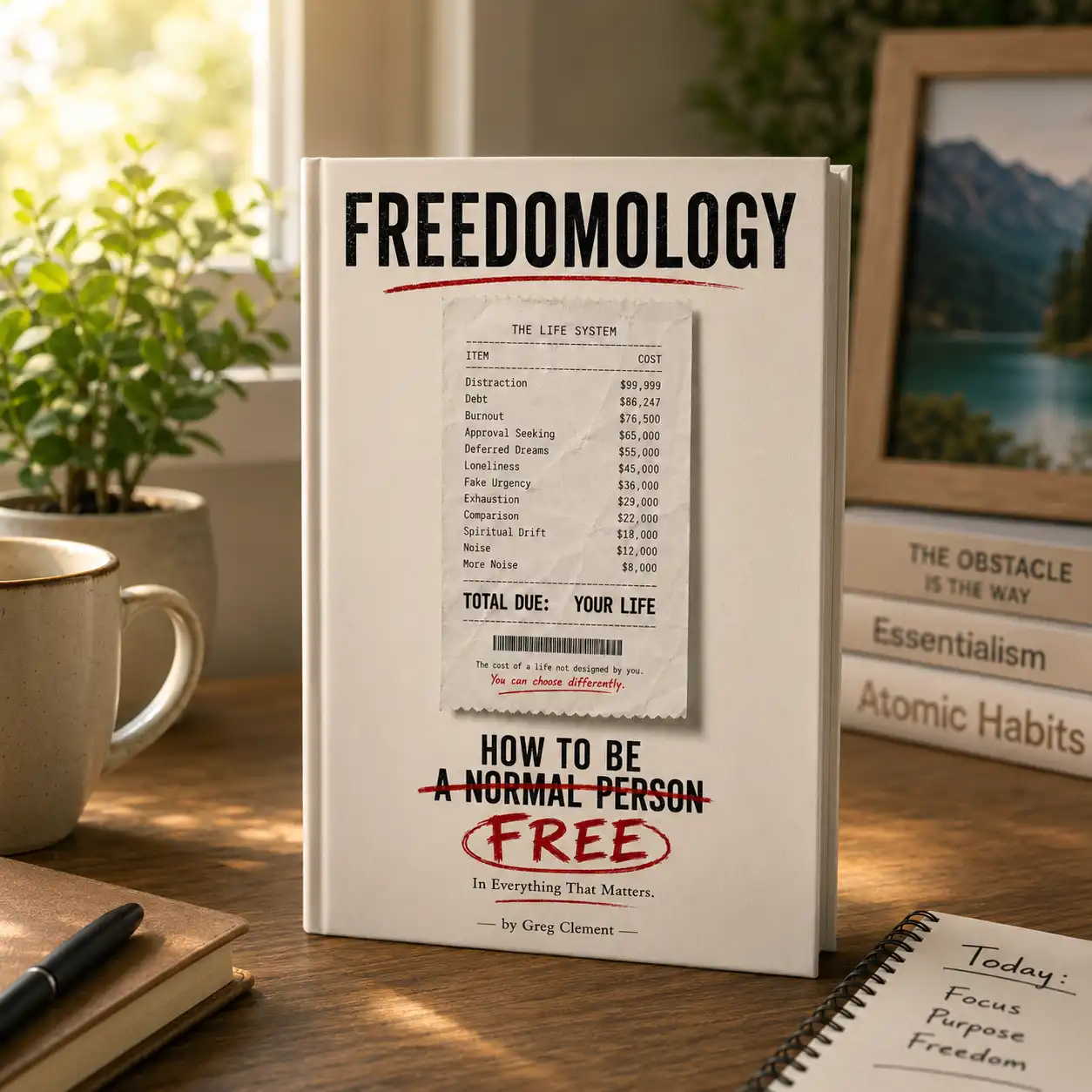
I put the whole lesson in a book. Part One is free — the chapter where a farm changed a builder's mind.